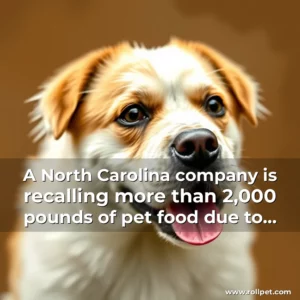
The U.S. Food and Drug Administration (FDA) has announced the recall of some pet food products from Blue Ridge Beef, a company that sells “100% pure raw pet food.” The affected products include kitten and puppy mix, which were sold in nine states between January 3 and January 24.
Affected Products and Sold States
- 1,080 pounds of Kitten Mix
- 1,380 pounds of Puppy Mix
- Sold in nine states:
- • Pennsylvania
- • Other states: Maryland, North Carolina, South Carolina, Virginia, and West Virginia, in addition to Alabama, Georgia, and Tennessee.
Blue Ridge Beef’s products are made from 100% pure raw ingredients, but a recent customer complaint led the FDA to collect samples, which tested positive for both salmonella and listeria. These bacteria can cause serious illness in both animals and humans.
Risk to Humans and Pets
The FDA warns that handling contaminated pet products can pose a risk to human health, especially if proper handwashing procedures are not followed. Salmonella and listeria can cause a range of symptoms in humans, including nausea, vomiting, diarrhea, abdominal cramping, and fever. In rare cases, these bacteria can lead to more serious conditions such as arterial infections, endocarditis, arthritis, muscle pain, eye irritation, and urinary tract symptoms.
Pets infected with salmonella or listeria may exhibit similar symptoms, such as lethargy, diarrhea or bloody diarrhea, fever, and vomiting. Healthy pets can also carry these bacteria and infect other animals or humans. If a pet has consumed the recalled food and shows any of these symptoms, it’s essential to contact a veterinarian for advice.
Returning Recalled Products
Blue Ridge Beef is advising pet owners to return the recalled products to the store where they were purchased or to destroy them in a way that prevents children, pets, and wildlife from accessing them. The affected products can be identified by the following lot numbers:
| Product | Lot Number |
|---|---|
| Kitten Mix | N26 0114 |
| Puppy Mix | N25 1230 |
Those who have purchased the recalled products should also wash and sanitize their hands, utensils, food bowls, cups, and storage containers that came into contact with the affected food.
It’s essential to note that pets that have consumed the recalled food and show no symptoms are still at risk of carrying the bacteria and infecting other animals or humans.

news is a contributor at Roll Pet. We are committed to providing well-researched, accurate, and valuable content to our readers.