
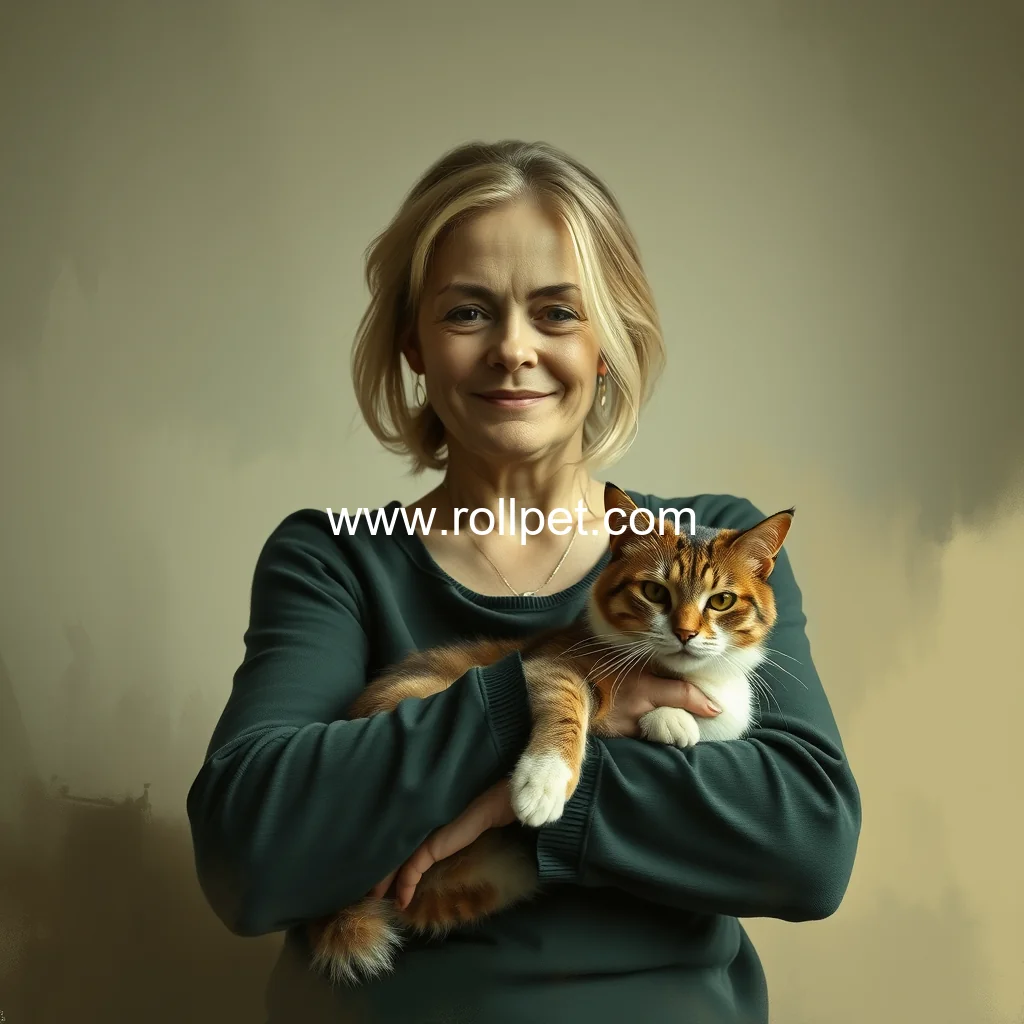
The Rise of Feline Popularity
The popularity of cats as pets has been on the rise over the past few decades. According to a recent survey, approximately 370 million cats are kept as pets globally. This staggering number is a testament to the enduring appeal of these furry friends. Whether it’s their independence, affectionate nature, or playful personalities, cats have captured the hearts of many. Some of the reasons why cats have become so popular as pets include: + Their low-maintenance lifestyle + Their ability to provide companionship and emotional support + Their playful and entertaining nature + Their small space requirements, making them ideal for urban dwellers
The Challenges of Cat Ownership
While owning a cat can be a rewarding experience, it also comes with its fair share of challenges.
Understanding Feline Territoriality
Cats are territorial animals, and their sense of territory is deeply rooted in their history and evolution. In the wild, cats rely on their territory to hunt, protect themselves, and raise their young. This territorial behavior is also observed in domesticated cats, who form strong bonds with their territory and the people who live within it. Key characteristics of feline territoriality: + Strong sense of ownership and possession + Territorial marking (e.g., scratching posts, urine marking) + Defending territory from other animals or people + Forming strong bonds with familiar territory and people
Handling Owner Changes
When a cat’s owner changes, it can be a significant stressor for the cat. Cats are creatures of habit and thrive on routine, so frequent changes can disrupt their sense of security and stability.
Cats’ Rehoming Stress Levels Vary by Age, Personality, and Previous Experiences.
Some cats may adapt quickly to their new surroundings, while others may take longer to adjust.
Understanding the Impact of Rehoming on Cats
Rehoming a cat can be a stressful experience for both the cat and the owner. The cat may feel anxious or scared, especially if it’s being moved to a new home with unfamiliar people, pets, or surroundings. However, the impact of rehoming on cats can vary greatly depending on several factors.
Factors Influencing the Impact of Rehoming
The Rehoming Process
Rehoming a cat typically involves several steps, including:
This is because cats are territorial animals and have a strong instinct to mark their territory.
Understanding Feline Territoriality
Cats are territorial animals, and their territoriality is deeply rooted in their evolution.
She is worried that the cat will not be able to adapt to the new owner and the new household.
The Concerns of the Cat
The cat’s concerns are not just about the change of owners, but also about the change of environment. The cat has been living in the same household for a long time, and it has developed a routine and a sense of security. The new owner is worried that the cat will not be able to adjust to the new surroundings, the new furniture, and the new layout of the house. The cat’s routine is disrupted by the new owner’s presence, and it may take some time for the cat to adjust to the new routine. The cat may feel anxious or stressed due to the change in environment, and this could lead to behavioral problems.
Cats who have been living in a shelter or have been rescued may have been exposed to a variety of stressors, such as loud noises, other animals, and lack of social interaction. These stressors can cause cats to exhibit abnormal behavior, such as hiding, aggression, or fearfulness.
Understanding Feline Behavior
Cats are known for their independence and aloofness, but this doesn’t mean they don’t have a natural instinct to interact with their environment. In the wild, cats are skilled hunters and explorers, using their senses to navigate and hunt. Domesticated cats, however, have adapted to a more sedentary lifestyle, relying on humans for food and shelter. This shift in lifestyle can lead to changes in their behavior, making them more prone to stress and anxiety.
Factors Influencing Feline Behavior
Several factors can influence a cat’s behavior, including:
The Concept of Feline Theft
Feline theft, also known as catnapping, is a form of theft where a person takes another person’s cat without their permission. This can be a traumatic experience for cat owners, and it’s essential to understand the laws surrounding this issue.
Understanding the Law
In many jurisdictions, cat theft is considered a form of theft, and the laws surrounding it are similar to those for other types of property. This means that cat owners can sue for damages if their cat is stolen.
Key Points to Consider
The Process of Filing a Lawsuit
If you believe your cat has been stolen, it’s essential to take immediate action. Here’s a step-by-step guide to help you get started:
Steps to Take
The Importance of Written Rehoming Agreements
In the case of the North Shore Animal League, the lack of a written agreement led to a lengthy and costly lawsuit. This highlights the importance of having a clear and comprehensive rehoming agreement in place. Key elements of a rehoming agreement should include:
- The animal’s name, breed, and age
- The adopter’s name, contact information, and veterinary care details
- The terms of the adoption, including spaying/neutering and vaccination requirements
- The return policy and any conditions for rehoming
Having a written agreement ensures that all parties are on the same page and provides a clear understanding of the terms and conditions of the adoption.
The Consequences of Not Having a Written Agreement
The North Shore Animal League’s case serves as a cautionary tale about the consequences of not having a written agreement.
Share icon Image credits: Ludemeula Fernandes (not the actual photo) “The cat is yours,” many netizens pointed out, “Enjoy the kitty”

news is a contributor at Roll Pet. We are committed to providing well-researched, accurate, and valuable content to our readers.