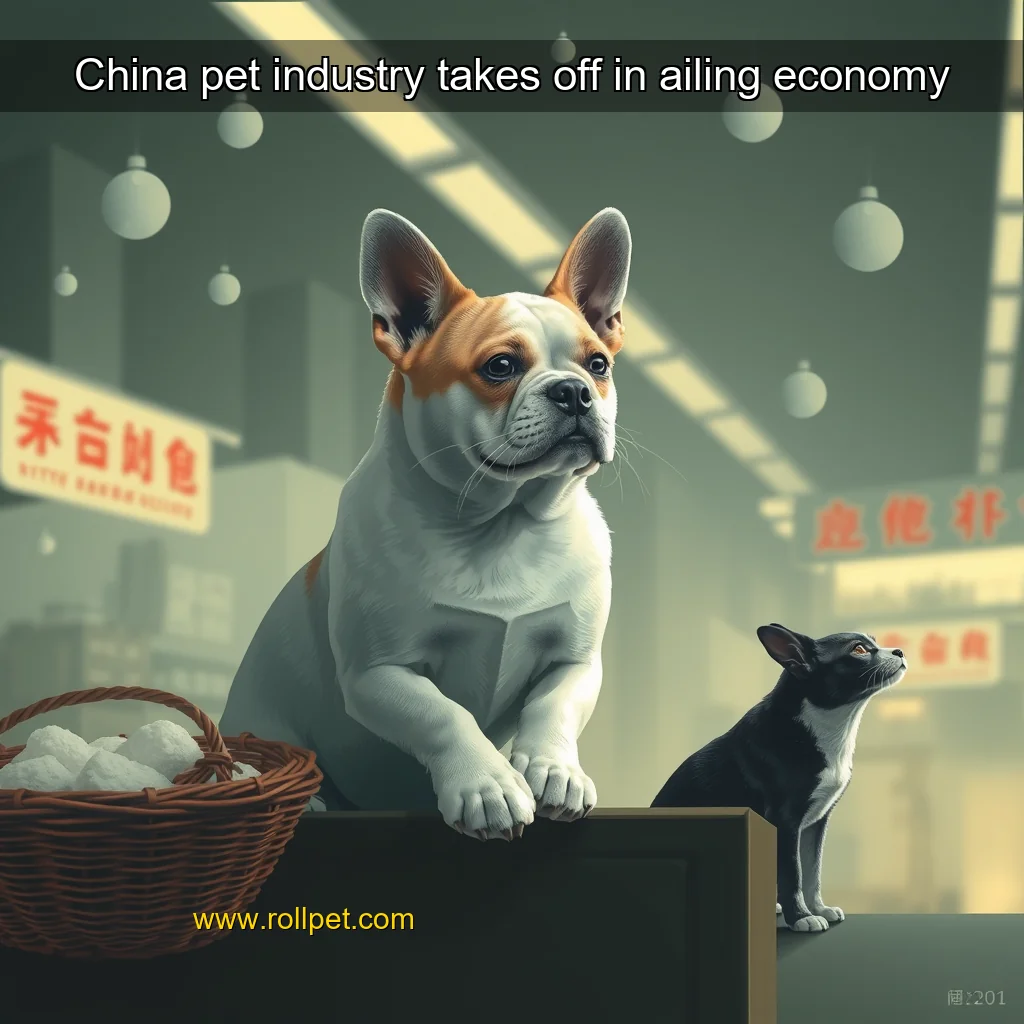
The annual China Pet Show has become a popular event, attracting thousands of visitors and showcasing the country’s growing pet industry.
The Pet Industry’s Rise in China
The pet industry in China has experienced rapid growth over the past decade, driven by increasing disposable income and a growing middle class. According to a report by Euromonitor International, the country’s pet market is expected to reach $24.6 billion by 2025, with an annual growth rate of 12.4%. This growth is largely attributed to the increasing popularity of pets among Chinese consumers, who are willing to spend more on their pets’ health and well-being. Key statistics: + The pet market in China is expected to reach $24.6 billion by 2025. + The annual growth rate of the pet market is 12.4%. + The pet industry in China has experienced rapid growth over the past decade.
The Pet Industry’s Impact on the Economy
The pet industry’s growth in China has significant implications for the country’s economy.
The Rise of Exotic Pets in China
In recent years, the exotic pet trade has experienced a significant surge in popularity, particularly among young people in China. This trend has been fueled by the widespread availability of exotic pets on social media platforms, where videos and tutorials on how to care for and raise these animals are shared freely. As a result, many young Chinese people have become interested in keeping exotic pets, such as birds, reptiles, and small mammals, as pets. Some of the most popular exotic pets in China include: + Birds, such as parrots and macaws + Reptiles, such as snakes and lizards + Small mammals, such as rabbits and guinea pigs + Amphibians, such as frogs and toads
The Concerns of Animal Rights Groups
Animal rights groups have raised concerns about the exotic pet trade in China, citing several reasons. These concerns include:
“But what they don’t realize is that this little guy is actually a very strong and fierce warrior.”
The Unlikely Hero
Zhao, a wildlife rehabilitator, has been working with a group of meerkats at her sanctuary in the United States. She has been caring for the animals since they were orphaned or injured, and has developed a unique bond with them. One of the meerkats, a particularly feisty individual, has been getting a lot of attention from visitors due to its unusual appearance.
The Meerkat’s Unique Appearance
The meerkat, which Zhao has named “Miko,” has been dressed in a warm shirt to keep it cozy in the cold winter months. The shirt is a bright red color, which has become a signature part of Miko’s appearance. Visitors to the sanctuary often comment on the shirt, and some even ask to take pictures with Miko wearing it. However, what many people don’t realize is that Miko is not just a cute and cuddly animal – it’s also a very strong and fierce warrior.
Miko’s Personality
Miko is a feisty and confident meerkat, known for its bold and fearless personality. Despite its small size, Miko is not afraid to stand up for itself and will defend its territory and loved ones with fierce determination.
“It is expected to continue growing rapidly, driven by increasing disposable income and a growing middle class.”
The Rise of Pet Ownership in China
A Growing Market
The pet industry in China has experienced significant growth in recent years, with the number of pets in the country expected to reach 600 million by 2030. This represents a substantial increase from the 300 million pets currently in the country.
The Rise of Cat Sellers in China
In the bustling streets of China, a peculiar phenomenon has emerged – the rise of cat sellers. These entrepreneurs have capitalized on the growing demand for cats, particularly in urban areas, and have turned their passion into a lucrative business. In this article, we will delve into the world of cat sellers in China, exploring the reasons behind their success and the challenges they face.
The Growing Demand for Cats
The demand for cats in China has been on the rise in recent years, driven by several factors. Increased urbanization has led to a growing number of people living in cities, creating a new market for cat owners. Social media has also played a significant role, with cat lovers sharing pictures and stories of their feline friends, fueling the desire for more cats in their lives.*
The Rise of Cat Sellers
Cat sellers, also known as cat breeders or cat traders, have emerged as a new breed of entrepreneurs in China.
While this can be a great way to encourage socialization and responsibility, it’s essential to consider the potential risks and challenges associated with pet ownership.
Understanding the Risks and Challenges
Potential Health Risks
Financial and Logistical Challenges
Encouraging Responsibility and Socialization
Benefits of Pet Ownership

news is a contributor at Roll Pet. We are committed to providing well-researched, accurate, and valuable content to our readers.