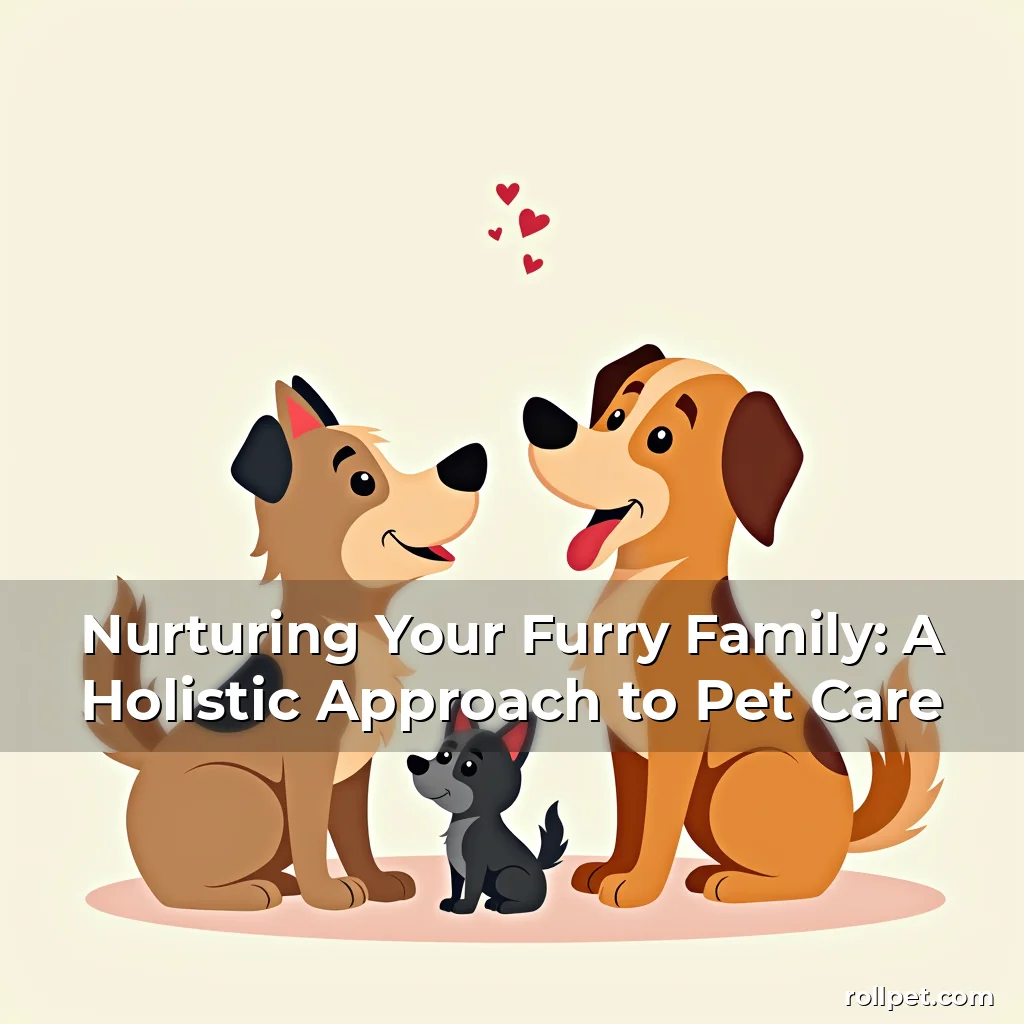
Nurturing Your Furry Family: A Holistic Approach to Pet Care
In today’s fast-paced world, pets have become cherished members of our families, offering companionship, joy, and unconditional love. Yet, caring for these beloved animals requires dedication, knowledge, and a deep commitment to their well-being.
Whether you’re raising puppies, kittens, or senior pets, understanding the nuances of responsible pet ownership ensures your furry friends live happy, healthy lives. This guide explores essential aspects of pet care to help you provide the best possible environment for your pets.
The Foundation of Healthy Living: Nutrition for Pets
A balanced diet is fundamental to your pet’s health and longevity. Just like humans, pets require nutrients tailored to their species, age, size, and activity level. Choosing high-quality food that meets their dietary needs sets the stage for optimal physical condition.
Pets with special conditions such as allergies, diabetes, or obesity may benefit from veterinary-prescribed diets. Always consult your vet before switching foods or altering portions significantly.
- Determine nutritional needs: Puppies and kittens require higher protein levels than adult pets. Senior pets often benefit from joint-supporting ingredients like glucosamine.
- Watch for hidden dangers: Human foods like chocolate, grapes, onions, and xylitol can be toxic to pets. Keep snacks secure and opt for pet-safe treats instead.
Hydration plays a vital role too; always provide fresh water daily. Dehydration can lead to serious complications, especially in cats who naturally drink less frequently.
Maintaining Physical Health Through Exercise and Grooming
Regular physical activity helps prevent weight gain, strengthens muscles, and improves cardiovascular health. Dogs, for instance, thrive on daily walks or play sessions, while indoor cats benefit from interactive toys and climbing structures.
Grooming routines vary depending on breed and coat type. Brushing long-haired pets prevents matting, reduces shedding, and allows you to spot skin issues early. Bathing schedules depend on lifestyle factors—some pets may need weekly baths, while others do fine monthly.
Breed-Specific Needs: Understanding Coat Types
Double-coated breeds like German Shepherds shed heavily during seasonal changes, requiring frequent brushing. Conversely, hairless breeds such as Sphynx cats need regular oil application to maintain natural skin moisture.
Short-haired pets generally need minimal grooming, but even they benefit from occasional brushing to distribute oils and remove dirt trapped in fur. Regular nail trimming also prevents discomfort and overgrowth-related injuries.
Veterinary Care: Preventive Measures and Routine Checkups
Scheduling annual wellness exams enables early detection of illnesses. Vaccinations protect against infectious diseases, while parasite prevention programs guard against fleas, ticks, and worms. Keeping up-to-date records simplifies future medical decisions.
Spaying/neutering offers numerous benefits including reduced risk of reproductive cancers, decreased roaming behavior, and population control efforts. Discuss timing with your veterinarian based on your pet’s development stages.
- Core vaccines: Rabies, distemper, parvovirus, and feline leukemia are typically included in core vaccination protocols for dogs and cats respectively.
- Supplemental protection: Heartworm medication, dewormers, and flea/tick preventives form part of year-round parasite management strategies.
Emergencies demand immediate attention—know the nearest 24-hour clinic locations ahead of time. Familiarize yourself with common signs indicating urgent veterinary intervention such as difficulty breathing, vomiting blood, or sudden weakness.
Fostering Mental Stimulation and Behavioral Wellbeing
Intellectual engagement keeps pets mentally sharp and emotionally satisfied. Puzzle feeders challenge problem-solving skills, while scent games enhance olfactory abilities. Varying routine activities prevents boredom-induced destructive behaviors.
Positive reinforcement techniques work effectively across species. Reward-based training encourages desired actions

news is a contributor at Roll Pet. We are committed to providing well-researched, accurate, and valuable content to our readers.