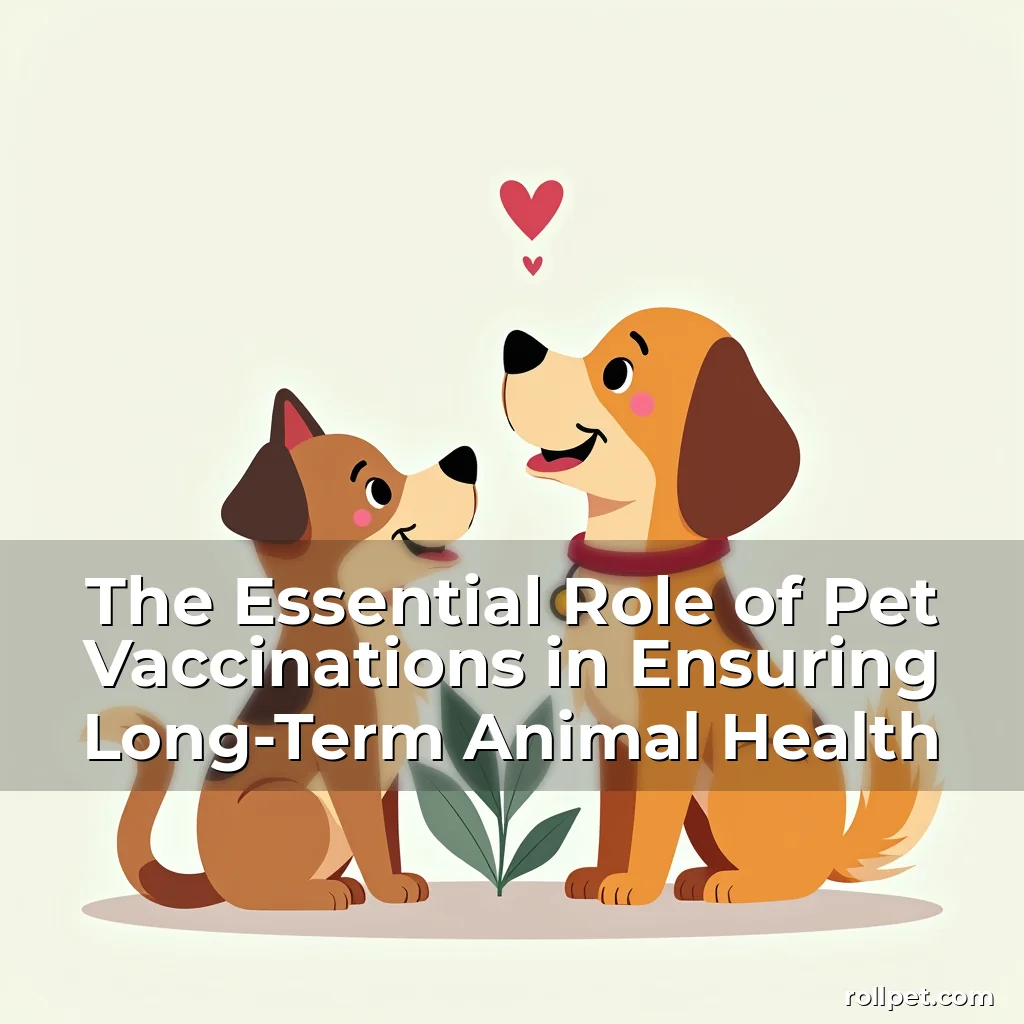
The Essential Role of Pet Vaccinations in Ensuring Long-Term Animal Health
Pet vaccinations are among the most critical tools in maintaining your companion’s health and longevity. By protecting against deadly diseases, these medical interventions not only safeguard individual pets but also contribute to broader community immunity.
Veterinarians recommend core vaccines as foundational elements of preventive care. These essential immunizations defend against highly contagious illnesses that can rapidly spread through populations of animals.
Understanding How Vaccines Work in Animals
Vaccines function by stimulating an animal’s immune system to recognize and combat specific pathogens. This process involves introducing antigens—components of disease-causing organisms—that trigger the production of antibodies without causing illness.
The immune response generated through vaccination creates memory cells within the body. These specialized white blood cells remember how to fight off particular infections when encountered in real life situations.
There are two primary types of vaccines used in veterinary medicine: live attenuated vaccines and inactivated (killed) vaccines. Live vaccines contain weakened forms of viruses while inactivated ones use dead viral particles.
- Live attenuated vaccines: Provide strong and long-lasting immunity but may carry slight risks for immunocompromised individuals
- Inactivated vaccines: Safer option for vulnerable pets yet typically require booster shots to maintain effectiveness
The Core Vaccination Schedule for Dogs and Cats
Dogs and cats follow distinct vaccination protocols based on their species-specific vulnerabilities. Puppies receive initial series starting at six weeks old, with boosters every three to four weeks until they reach sixteen weeks.
Kittens begin their vaccination journey similarly, usually receiving first doses around eight weeks of age. Their vaccine schedule includes protection against feline distemper, rhinotracheitis, calicivirus, and rabies.
Disease-Specific Vaccine Requirements
Rabies vaccination is legally mandated in many jurisdictions due to its zoonotic potential—the ability to transmit from animals to humans. The typical vaccination protocol requires an initial dose followed by a booster after one year.
Feline leukemia virus (FeLV) vaccines are particularly crucial for outdoor cats who may come into contact with infected felines. While not universally required by law, these vaccinations significantly reduce transmission risk.
Evaluating Risk Factors for Customized Vaccination Plans
Your veterinarian will assess various factors before recommending a personalized vaccination plan. Considerations include geographic location, lifestyle habits, and existing health conditions.
Pets living in areas with high tick prevalence might benefit from Lyme disease vaccines, whereas those frequently visiting boarding facilities could need additional Bordetella protections.
Senior pets often have modified schedules focusing on maintaining immunity rather than initiating new vaccinations. Your vet will determine which vaccines remain relevant based on age-related considerations.
The Science Behind Booster Shots and Immunity Duration
Booster shots reinforce immune responses by re-exposing the body to antigens. Over time, natural immunity wanes requiring periodic reinforcement through scheduled boosters.
Research indicates varying durations of immunity across different vaccines. Rabies vaccines tend to provide longer lasting protection compared to some other canine or feline immunizations.
Vaccine titer testing offers an alternative approach by measuring antibody levels instead of relying solely on fixed timelines. This method allows for tailored decisions regarding necessary boosters.
Common Misconceptions About Pet Vaccinations
Some pet owners mistakenly believe that once vaccinated, their pets never need further protection. However, immunity duration varies widely between different vaccines and individual animals.
Others express concern over potential side effects, sometimes avoiding recommended vaccinations altogether. While mild reactions occur occasionally, serious adverse events are exceedingly rare compared to benefits provided.
Critical thinking about vaccine safety is essential. Reputable scientific studies consistently show that benefits far outweigh any minimal risks associated with properly administered vaccines.
Special Circumstances Requiring Modified Vaccination Protocols
Pregnant animals require special consideration when scheduling vaccinations. Certain vaccines should be avoided during pregnancy to prevent complications affecting both mother and offspring.
Breeding stock needs careful management of immunization timing to ensure optimal maternal antibodies transfer to puppies or kittens via colostrum consumption.
Animals recovering from illness or undergoing treatment for chronic conditions may temporarily delay vaccinations until fully stabilized under veterinary supervision.
The Importance of Maintaining Accurate Vaccination Records
Keeping thorough records of each vaccination administration helps track compliance with local regulations and facilitates emergency situations where proof of vaccination is required.
Many shelters, grooming salons, and boarding facilities request documentation verifying up-to-date immunizations prior to service provision. Failure to produce such records could result in denial of access.
Electronic recordkeeping systems offer convenient solutions for tracking vaccination histories. Some veterinary clinics provide online portals allowing clients easy access to digital copies of medical records.
Emerging Trends in Veterinary Immunology Research
Ongoing research continues to refine our understanding of optimal vaccination strategies. Scientists study how genetic differences influence immune responses across different breeds and species.
New delivery methods are being explored including oral vaccines and nasal sprays that offer convenience while maintaining efficacy. These innovations aim to increase vaccination rates globally.
Advancements in biotechnology enable development of combination vaccines that protect against multiple diseases simultaneously, reducing the number of injections required for full protection.
Preparing for Emergencies Through Proactive Prevention
A well-maintained vaccination program serves as the foundation for effective emergency preparedness. Pets with complete immunization histories respond better to treatments following exposure incidents.
During outbreaks of infectious diseases, vaccinated populations experience lower infection rates and milder symptoms when cases do occur. This herd immunity effect protects even unvaccinated members indirectly.
Traveling with pets requires advance preparation including ensuring all necessary vaccinations are current. International travel specifically demands adherence to strict import requirements established by destination countries.
Conclusion
Properly administering pet vaccinations represents one of the most impactful ways to enhance quality of life for beloved companions. Regular check-ups with qualified veterinarians ensure timely updates to immunization regimens.
By staying informed about evolving recommendations and prioritizing preventive healthcare measures, responsible pet ownership becomes an ongoing commitment toward promoting lifelong wellness for furry family members.
“`
“`
“`html
The Essential Role of Pet Vaccinations in Ensuring Long-Term Animal Health
Pet vaccinations are among the most critical tools in maintaining your companion’s health and longevity. By protecting against deadly diseases, these medical interventions not only safeguard individual pets but also contribute to broader community immunity.
Veterinarians recommend core vaccines as foundational elements of preventive care. These essential immunizations defend against highly contagious illnesses that can rapidly spread through populations of animals.
Understanding How Vaccines Work in Animals
Vaccines function by stimulating an animal’s immune system to recognize and combat specific pathogens. This process involves introducing antigens—components of disease-causing organisms—that trigger the production of antibodies without causing illness.
The immune response generated through vaccination creates memory cells within the body. These specialized white blood cells remember how to fight off particular infections when encountered in real life situations.
There are two primary types of vaccines used in veterinary medicine: live attenuated vaccines and inactivated (killed) vaccines. Live vaccines contain weakened forms of viruses while inactivated ones use dead viral particles.
- Live attenuated vaccines: Provide strong and long-lasting immunity but may carry slight risks for immunocompromised individuals
- Inactivated vaccines: Safer option for vulnerable pets yet typically require booster shots to maintain effectiveness
The Core Vaccination Schedule for Dogs and Cats
Dogs and cats follow distinct vaccination protocols based on their species-specific vulnerabilities. Puppies receive initial series starting at six weeks old, with boosters every three to four weeks until they reach sixteen weeks.
Kittens begin their vaccination journey similarly, usually receiving first doses around eight weeks of age. Their vaccine schedule includes protection against feline distemper, rhinotracheitis, calicivirus, and rabies.
Disease-Specific Vaccine Requirements
Rabies vaccination is legally mandated in many jurisdictions due to its zoonotic potential—the ability to transmit from animals to humans. The typical vaccination protocol requires an initial dose followed by a booster after one year.
Feline leukemia virus (FeLV) vaccines are particularly crucial for outdoor cats who may come into contact with infected felines. While not universally required by law, these vaccinations significantly reduce transmission risk.
Evaluating Risk Factors for Customized Vaccination Plans
Your veterinarian will assess various factors before recommending a personalized vaccination plan. Considerations include geographic location, lifestyle habits, and existing health conditions.
Pets living in areas with high tick prevalence might benefit from Lyme disease vaccines, whereas those frequently visiting boarding facilities could need additional Bordetella protections.
Senior pets often have modified schedules focusing on maintaining immunity rather than initiating new vaccinations. Your vet will determine which vaccines remain relevant based on age-related considerations.
The Science Behind Booster Shots and Immunity Duration
Booster shots reinforce immune responses by re-exposing the body to antigens. Over time, natural immunity wanes requiring periodic reinforcement through scheduled boosters.
Research indicates varying durations of immunity across different vaccines. Rabies vaccines tend to provide longer lasting protection compared to some other canine or feline immunizations.
Vaccine titer testing offers an alternative approach by measuring antibody levels instead of relying solely on fixed timelines. This method allows for tailored decisions regarding necessary boosters.
Common Misconceptions About Pet Vaccinations
Some pet owners mistakenly believe that once vaccinated, their pets never need further protection. However, immunity duration varies widely between different vaccines and individual animals.
Others express concern over potential side effects, sometimes avoiding recommended vaccinations altogether. While mild reactions occur occasionally, serious adverse events are exceedingly rare compared to benefits provided.
Critical thinking about vaccine safety is essential. Reputable scientific studies consistently show that benefits far outweigh any minimal risks associated with properly administered vaccines.
Special Circumstances Requiring Modified Vaccination Protocols
Pregnant animals require special consideration when scheduling vaccinations. Certain vaccines should be avoided during pregnancy to prevent complications affecting both mother and offspring.
Breeding stock needs careful management of immunization timing to ensure optimal maternal antibodies transfer to puppies or kittens via colostrum consumption.
Animals recovering from illness or undergoing treatment for chronic conditions may temporarily delay vaccinations until fully stabilized under veterinary supervision.
The Importance of Maintaining Accurate Vaccination Records
Keeping thorough records of each vaccination administration helps track compliance with local regulations and facilitates emergency situations where proof of vaccination is required.
Many shelters, grooming salons, and boarding facilities request documentation verifying up-to-date immunizations prior to service provision. Failure to produce such records could result in denial of access.
Electronic recordkeeping systems offer convenient solutions for tracking vaccination histories. Some veterinary clinics provide online portals allowing clients easy access to digital copies of medical records.
Emerging Trends in Veterinary Immunology Research
Ongoing research continues to refine our understanding of optimal vaccination strategies. Scientists study how genetic differences influence immune responses across different breeds and species.
New delivery methods are being explored including oral vaccines and nasal sprays that offer convenience while maintaining efficacy. These innovations aim to increase vaccination rates globally.
Advancements in biotechnology enable development of combination vaccines that protect against multiple diseases simultaneously, reducing the number of injections required for full protection.
Preparing for Emergencies Through Proactive Prevention
A well-maintained vaccination program serves as the foundation for effective emergency preparedness. Pets with complete immunization histories respond better to treatments following exposure incidents.
During outbreaks of infectious diseases, vaccinated populations experience lower infection rates and milder symptoms when cases do occur. This herd immunity effect protects even unvaccinated members indirectly.
Traveling with pets requires advance preparation including ensuring all necessary vaccinations are current. International travel specifically demands adherence to strict import requirements established by destination countries.
Conclusion
Properly administering pet vaccinations represents one of the most impactful ways to enhance quality of life for beloved companions. Regular check-ups with qualified veterinarians ensure timely updates to immunization regimens.
By staying informed about evolving recommendations and prioritizing preventive healthcare measures, responsible pet ownership becomes an ongoing commitment toward promoting lifelong wellness for furry family members.
“`

news is a contributor at Roll Pet. We are committed to providing well-researched, accurate, and valuable content to our readers.