
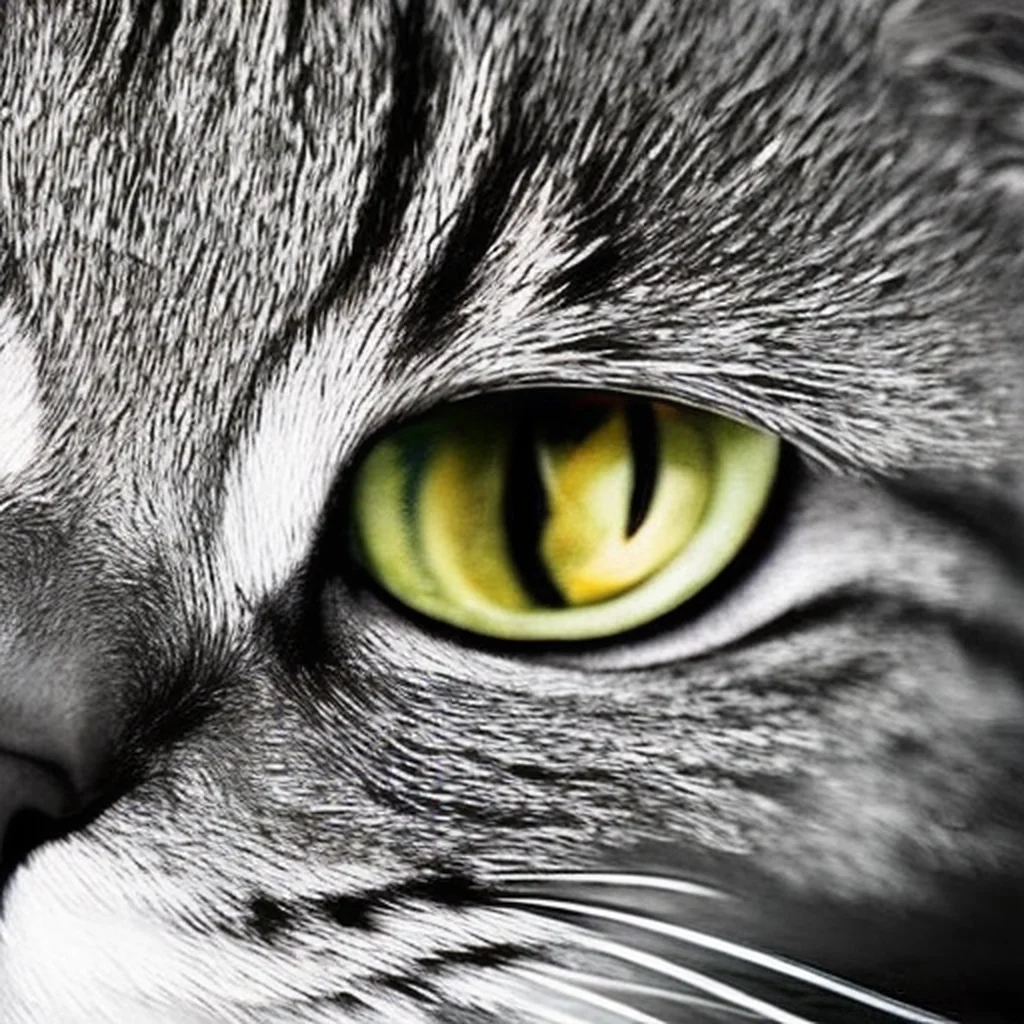
Cats are masters of disguise, and their subtle cues can be easily missed. Here are nine reasons why your cat might be begging you to book a vet appointment:
1. **Changes in Appetite:** Cats are meticulous eaters, and any sudden changes in their appetite can be a red flag. If your cat suddenly starts eating less or more than usual, it could indicate a health issue. For example, a cat with a sudden increase in appetite might be experiencing hyperthyroidism, a condition where the thyroid gland produces too much hormone, leading to weight loss despite increased food intake. 2.
Let’s break down these changes and understand why they might be happening. **1. Vocalization Changes:**
* **Why it happens:** Cats are known for their ability to communicate through a variety of vocalizations, but sudden changes in their vocalizations can be a sign of underlying issues. * **Possible causes:**
* **Pain or discomfort:** A cat in pain may meow more frequently or in a higher-pitched, distressed tone.
They can cause a range of health problems, from skin irritation to organ damage. Parasites can be transmitted through contact with infected animals, contaminated environments, or even through contaminated food. For example, heartworm disease is a serious condition that can be fatal if left untreated. Parasites can also cause anemia, skin allergies, and even intestinal blockages. 5. Nutritional Deficiencies Just like humans, dogs need a balanced diet to thrive. A lack of essential nutrients can lead to a range of health problems. These deficiencies can be caused by a variety of factors, including poor diet, inadequate food intake, or even underlying medical conditions.
1. **Cats are obligate carnivores:** This means they require a diet consisting primarily of meat. 2. **Cats are crepuscular:** This means they are most active at dawn and dusk. 3. **Cats are natural hunters:** Their instincts and physical adaptations make them adept at catching prey. 4. **Cats are social animals:** They have complex social structures and communication methods. 5. **Cats are prone to certain health issues:** This includes dental problems, urinary tract infections, and obesity.
Routine blood work can also reveal underlying health conditions that might not be easily noticeable on the routine check-up, such as anemia, thyroid issues, or kidney disease. These conditions can be managed and treated effectively with early intervention. Here is a breakdown of the importance of routine blood work for cats:
* **Proactive Approach:** Routine blood work allows your vet to monitor your cat’s internal health and identify signs of organ decline. This proactive approach prevents serious issues from escalating into life-threatening situations.
* **Arthritis:** This common condition causes joint pain and stiffness, making it difficult for cats to move around. * **Example:** A senior cat named Mittens might struggle to climb stairs or jump onto furniture due to arthritis in her hips. * **Cognitive Issues:** These can include confusion, disorientation, and memory loss. * **Example:** A cat named Shadow might forget where his food bowl is or become confused about his routine. * **Kidney Problems:** These can lead to dehydration, vomiting, and loss of appetite.

news is a contributor at Roll Pet. We are committed to providing well-researched, accurate, and valuable content to our readers.