
But what about the age-old debate between those who prefer the morning and those who prefer the evening? In this article, we’ll delve into the world of chronotypes, exploring the different types of people who are naturally inclined to be morning larks or night owls.
Understanding Chronotypes
Chronotypes refer to the internal biological clocks that regulate our sleep-wake cycles. These clocks are influenced by a combination of genetic and environmental factors, and they can affect our behavior, mood, and productivity throughout the day. Research has shown that chronotypes can be broadly categorized into two main types: morning larks and night owls.
Morning Larks
Morning larks are individuals who tend to wake up early and feel most alert and productive in the morning. They often have a natural inclination to rise with the sun and start their day with a sense of purpose and energy. Here are some key characteristics of morning larks:
Night Owls
Night owls, on the other hand, are individuals who tend to stay up late and feel most alert and productive in the evening.
Cats are notorious for their aloofness, and their behavior is often misunderstood by their human companions.
Understanding Feline Behavior
Cats are naturally solitary animals, and their behavior is shaped by their evolution as predators. In the wild, they rely on stealth, agility, and cunning to hunt and survive.
However, their popularity as pets has led to a significant increase in their numbers, resulting in a substantial impact on the environment and human health.
The Rise of the Pet Industry
The pet industry has experienced unprecedented growth in recent years, with the global pet market valued at over $180 billion in 2020. This surge in demand has led to an explosion in the number of dogs kept as pets, with estimates suggesting that over 1 billion dogs worldwide are now considered pets. Factors contributing to the rise of the pet industry include: + Increased disposable income among pet owners + Growing awareness of the benefits of pet ownership (e.g., reduced stress, improved mental health) + Advances in veterinary care and pet nutrition + The rise of social media and online platforms for pet owners to connect and share information
The Environmental Impact
The growing number of dogs as pets has significant environmental implications. Some of the key concerns include:
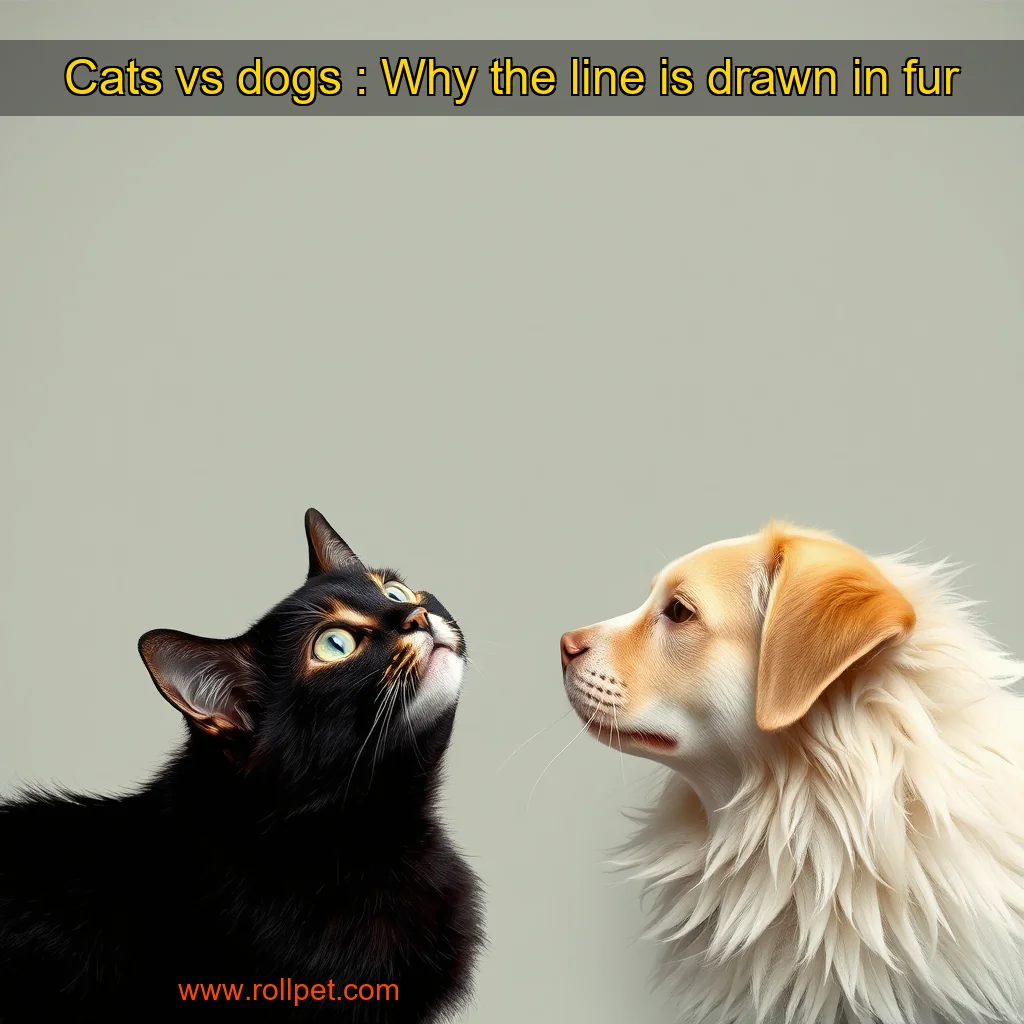
It’s about the humans who own them and the lifestyles they lead. The debate is often fueled by personal biases, cultural differences, and societal pressures. In this article, we will explore the reasons behind the cat versus dog debate and examine the pros and cons of each pet.
The Origins of the Debate
The cat versus dog debate has been ongoing for centuries, with no clear winner in sight. The debate is often attributed to the differences in lifestyle and living arrangements between cat and dog owners. For instance, cat owners tend to live in smaller apartments or houses, while dog owners often reside in larger homes with yards. Factors such as urbanization, lifestyle, and personal preferences play a significant role in shaping the cat versus dog debate. The rise of apartment living and the increasing popularity of urbanization have contributed to the debate. The differences in living arrangements and lifestyles have led to distinct preferences for each pet.
The Pros and Cons of Owning a Cat
Advantages

news is a contributor at Roll Pet. We are committed to providing well-researched, accurate, and valuable content to our readers.

